The development of interactive mobile learning media for Egrang Batok dance to improve learning outcomes
Downloads
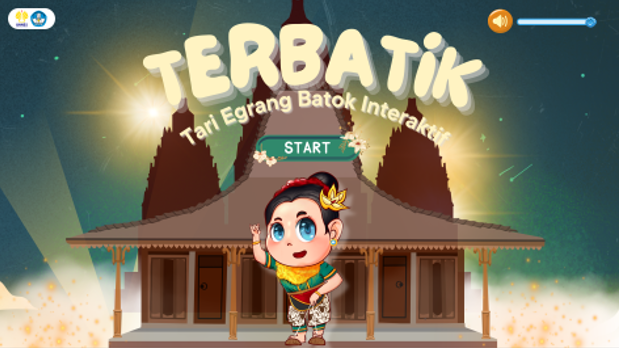
The lack of innovative technology-based learning media significantly impacts student learning outcomes. This study aimed to develop practical, feasible, and effective mobile learning media for fourth-grade elementary school dance lessons to enhance academic achievement. The implication of this study is that the learning process becomes more engaging through the integration of technology- based instructional tools. The research utilized the Research and Development (R&D) method with the ADDIE model. The subjects included one subject matter expert, one media expert, one teacher, and 36 fourth-grade students. Data collection techniques included pre- and post-tests, as well as non-test methods such as observation, teacher interviews, documentation, and questionnaires. Data analysis was conducted using the Shapiro-Wilk normality test, T-tests, and N-Gain tests. The feasibility analysis of the TERBATIK media indicated that it was highly feasible, with ratings of 100% from the subject matter expert and 93% from the media expert. Response rates from the teacher and students were 93.7% and 93.1%, respectively, placing them in the highly practical category. The normality test results were normal, with pre-test scores of 0.098 and post-test scores of 0.096 (ρ > 0.05). The effectiveness analysis via the T-test showed a significance value of 0.000 (ρ < 0.05), with the average score increasing from 55.6944 in the pre-test to 87.3611 in the post-test. The N-Gain score was 0.7313, representing the high category. Based on these results, it can be concluded that the TERBATIK media is feasible, practical, and effective in improving the learning outcomes of fourth-grade dance classes. These results imply that integrating mobile learning applications into arts education not only modernizes traditional dance instruction but also provides an accessible, interactive platform that bridge the gap between cultural content and digital-native students.
Downloads
Affeldt, F., Meinhart, D., & Eilks, I. (2018). The use of comics in experimental instructions in a non- formal chemistry learning context. International Journal of Education in Mathematics, Science and Technology, 6(1). DOI: https://doi.org/10.18404/ijemst.380620
Agustin, E., & Wintarti, A. (2021). Development of android-based mobile learning media on number pattern material. JP2M (Jurnal Pendidikan dan Pembelajaran Matematika), 7(1). DOI: https://doi.org/10.29100/jp2m.v7i1.1860
Andi S. M., Ridwan, S. A. & Ibrahim, A. (2023). The role of teachers in the development of educationaltechnology in the digital era. SEMINAR NASIONAL DIES NATALIS 62, 1. DOI: https://doi.org/10.59562/semnasdies.v1i1.431
Anggraini, W., Yuberti, Wahyudi, A. Z., & Sugiarta, I. (2020). The effectiveness of using a Qur’an- integrated pop-up learning media book for studying the temperature and change materials. Proceedings of the 1st Raden Intan International Conference on Muslim Societies and Social Sciences (RIICMuSSS 2019), 492. DOI: https://doi.org/10.2991/assehr.k.201113.024
Ashari, S. A., A, H., & Mappalotteng, A. M. (2022). Development of augmented reality-based movie learning media. Jambura Journal of Informatics, 4(2). DOI: https://doi.org/10.37905/jji.v4i2.16448
Asnidar, A., & Junaid, J. (2022). Effectiveness of using video media in Indonesian phonology learning. Jurnal Onoma: Pendidikan, Bahasa, dan Sastra, 8(1). DOI: https://doi.org/10.30605/onoma.v8i1.1439
Badriyah, A. R. M., Sahria, Y., Wimpertiwi, D., Nofrizal, Nurani, R. D., Rahayuningsih, Y., Rahmaningtyas, W., Daniyarti, W. D., Hapsari, A. A., Chairani, R., Sadiyah, H., Irwansyah, I., & Rohman, M. (2023). Learning Media. PT Penamuda Media.
Cahyono, B. (2023). Utilization of digital flipbook applications as learning media in the digital technology era. Jurnal Dharmabakti Nagri, 1(2). DOI: https://doi.org/10.58776/jdn.v1i2.26
Eliza, F., Fadli, R., Hakiki, M., Trisnawati, W., Abdulah, Putra, Y. I., Fauziah, Marind, G., & Hidayah, Y. (2023). Revolution in engineering education through android-based learning media for mobile learning: Practicality of mobile learning media to improve electrical measuring skills in the industrial age 4.0. International Journal of Interactive Mobile Technologies, 17(20). DOI: https://doi.org/10.3991/ijim.v17i20.42093
Elvi Rahmi. (2022). Innovation in Islamic religious education learning media through audio-visual media in the digital era. El-Rusyd: Jurnal Sekolah Tinggi Ilmu Tarbiyah STIT Ahlussunnah Bukittinggi, 7(1). DOI: https://doi.org/10.58485/elrusyd.v7i1.103
Fatmawati, F., Yusrizal, Y., & Hasibuan, A. M. (2021). Development of android-based learning media to improve students' social studies learning outcomes. ELEMENTARY SCHOOL JOURNAL PGSD FIP UNIMED, 11(2). DOI: https://doi.org/10.24114/esjpgsd.v11i2.28862
Finaryanti, N., Susanto, M. R., Rahimah, R., Ernawati, Y., Suwardi, Rahayu, D. N., Rohman, R., Arumsari, M. D., & Suryaningsih, A. (2023). Application of think pair share integrated with TRI NGA (Ngerti, Ngrasa, Nglakoni) through dance learning for Grade 1 at SDN Kecis. Ideguru: Jurnal Karya Ilmiah Guru, 9(1). DOI: https://doi.org/10.51169/ideguru.v9i1.793
Hafizh, M. R. Al, & Fatah, F. (2022). The influence of learning applications and behavioristic theory on the learning effectiveness of religious department students. Inovasi Kurikulum, 19(1). DOI: https://doi.org/10.17509/jik.v19i1.42874
Hidayah Ratna, P. P. (2016). The effect of PBL on science process skills and cognitive science learning outcomes in elementary students. Jurnal Prima Edukasia, 4(2), 186–197. DOI: https://doi.org/10.21831/jpe.v4i2.8460
Hrp, N. A., Masruro, Z., Saragih, S. Z., Hasibuan, R., Sinamora, S. S., & Toni. (2022). Studying and Learning. CV. Widina Media Utama.
Husna, K., & Supriyadi, S. (2023). The role of learning media management to improve student learning motivation. AL-MIKRAJ: Jurnal Studi Islam dan Humaniora, 4(1). DOI: https://doi.org/10.37680/almikraj.v4i1.4273Islam Sarker, M. N., Wu, M., Cao, Q., Alam, G. M. M., & Li, D. (2019). Leveraging digital technology for better learning and education: A systematic literature review. International Journal of Information and Education Technology, 9(7). DOI: https://doi.org/10.18178/ijiet.2019.9.7.1246
Judijanto, L., Muhammadiah, M., Utami, R. N., Suhirman, L., Laka, L., Boari, Y., Lembang, S. T., Wattimena, F. Y., Astriawati, N., Laksono, R. D., & Yunus, M. (2024). Research and Development Methodology: Theory and Application of R&D Methodology. PT. Sonpedia Publishing Indonesia.
Mercer, N., Hennessy, S., & Warwick, P. (2019). Dialogue, thinking together and digital technology in the classroom: Some educational implications of a continuing line of inquiry. International Journal of Educational Research, 97. DOI: https://doi.org/10.1016/j.ijer.2017.08.007
Nadzif, M., Irhasyuarna, Y., & Sauqina, S. (2022). Development of articulate storyline-based interactive science learning media on middle school solar system material. JUPEIS: Jurnal Pendidikan dan Ilmu Sosial, 1(3). DOI: https://doi.org/10.55784/jupeis.vol1.iss3.69
Previlya, K., & Perdana, P. I. (2023). Development of Remo Madya dance learning media based on android application on Grade IV dance material at SDN 114 Gresik. EDUTECH: Jurnal Inovasi Pendidikan Berbantuan Teknologi, 3(3). DOI: https://doi.org/10.51878/edutech.v3i3.2378
Qorimah, E. N., & Sutama, S. (2022). Literature study: Augmented reality (AR) media toward cognitive learning outcomes. Jurnal Basicedu, 6(2). DOI: https://doi.org/10.31004/basicedu.v6i2.2348
Rawis, J. A. M., Batmetan, J. R., & Lolong, R. F. (2023). Mobile Learning. Ruang Karya.
Razilu, Z. (2021). Development of android-based mobile learning using Articulate Storyline 3 in elementary schools. Decode: Jurnal Pendidikan Teknologi Informasi, 1(1). DOI: https://doi.org/10.51454/decode.v1i1.3
Rochayati, R. (2023). Dance education: Creative process of traditional-based creation dance based on supporting elements. Prosiding Seminar Nasional Pascasarjana. https://proceeding.unnes.ac.id/snpasca/article/view/2206/1689
Rohima, N. (2023). The use of learning media to improve students' learning skills. Publikasi Pembelajaran, 1(1). https://www.researchgate.net/publication/397948888_Penggunaan_Media_Pembelajaran_Untuk _Meningkatkan_Keterampilan_Belajar_Pada_Siswa
Roziqin, M. K., Mansur, H., & Mastur, M. (2022). Development of android-based mobile learning media for middle school arts and culture subjects in Grade VII. Journal of Instructional Technology, 2(2). DOI: https://doi.org/10.20527/j-instech.v2i2.3835
Salhab, R., & Daher, W. (2023). University students’ engagement in mobile learning. European Journal of Investigation in Health, Psychology and Education, 13(1). DOI: https://doi.org/10.3390/ejihpe13010016
Sari, I. K. (2018). The effect of problem-based learning and project-based learning on achievement motivation. Jurnal Prima Edukasia, 6(2), 129–135. DOI: https://doi.org/10.21831/jpe.v6i2.14740
Sugiyono. (2023). Quantitative, Qualitative, and R&D Research Methods. Alfabeta.
Syam, S., Subakti, H., Kristianto, S., Chamidah, D., Suhartati, T., Haruna, N. H., Harianja, J. K., Sitopu,
J. W., Yurfiah, Purba, S., & Arhesa, S. (2022). Studying and Learning. Yayasan Kita Menulis. Timotius, H., & Dahliana Purba, N. (2023). Evaluating the readiness of teachers or educators in facingthe challenges of Generation Alpha to improve educational quality in the era of technological advancement. Kaluteros: Jurnal Teologi dan Pendidikan Agama Kristen, 5(2). DOI: https://doi.org/10.60146/kaluteros.v5i2.61
Widyaningrum, F. A., Maryani, I., & Vehachart, R. (2022). Literature study on science learning media in elementary school. International Journal of Learning Reformation in Elementary Education, 1(01). DOI: https://doi.org/10.56741/ijlree.v1i01.51
Wulandari, E., Annidya Putri, I., & Napizah, Y. (2022). Interactive multimedia as an alternative for technology-based learning media. Jurnal Tonggak Pendidikan Dasar, 1(2). DOI: https://doi.org/10.22237/jtpd.v1i2.22834
Yandi, A., Nathania Kani Putri, A., & Syaza Kani Putri, Y. (2023). Factors influencing student learning outcomes (Literature review). Jurnal Pendidikan Siber Nusantara, 1(1). DOI: https://doi.org/10.38035/jpsn.v1i1.14
Yani, A. (2023). Technological transformation in learning in the Industrial Revolution 4.0 era. PenKoMi: Kajian Pendidikan & Ekonomi. https://doi.org/10.33627/pk.62.1235
Zebua, F. R. S. (2023). Analysis of teacher challenges and opportunities in the digital era. Jurnal Informatika dan Teknologi Pendidikan, 3(1). DOI: https://doi.org/10.25008/jitp.v3i1.55
Copyright (c) 2026 Arinta Widya Kasi Utami, Atip Nurharini

This work is licensed under a Creative Commons Attribution-ShareAlike 4.0 International License.
The copyright of the received article shall be assigned to the journal as the publisher of the journal. The intended copyright includes the right to publish the article in various forms (including reprints). The journal maintains the publishing rights to the published articles.

Jurnal Prima Edukasia by http://journal.uny.ac.id/index.php/jpe/index is licensed under a Creative Commons Attribution-ShareAlike 4.0 International License.