Effectiveness of the Deep Learning Approach Assisted by Wordwall Media on Civics Education Learning Outcomes
Downloads
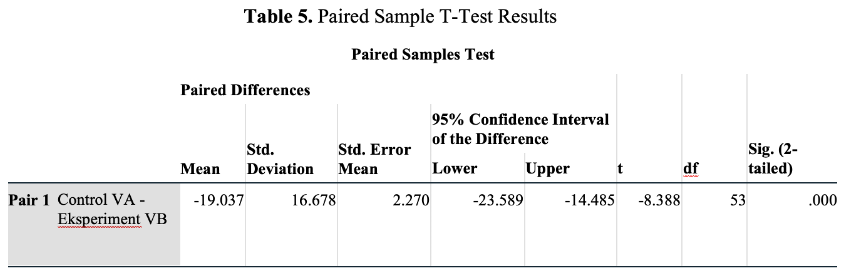
Learning approaches and media that do not comply with Permendikbudristek Number 16 of 2022 on Process Standards have contributed to low learning outcomes. This study investigates the effectiveness of the deep learning approach supported by Wordwall media on Civics Education learning outcomes for Grade V students at Cahaya Bangsa Integrated Islamic Elementary School. Using a quasi- experimental design, the study involved 112 fifth-grade students from several elementary schools in the Ki Hajar Dewantara Cluster, Semarang. The sample was determined through cluster random sampling, with Class V-A as the experimental group and Class V-B as the control group. Data were collected through pre- and post-tests, observations, interviews, and documentation. Analysis included normality and homogeneity tests, followed by t-tests and N-Gain calculations. The results show a significant difference between groups, with the experimental class achieving a moderate N-Gain of 0.60 compared to 0.32 in the control class. These findings confirm that the integration of deep learning with Wordwall media positively impacts students’ performance and conceptual understanding. This study contributes to the field of education by providing empirical evidence that technology-supported deep learning can foster higher-order thinking, enrich Civics Education instruction, and offer innovative pedagogical models aligned with national standards at the elementary school level.
Downloads
Anggraeni, D. F. P., Widodo, W., & Supardi, Z. A. I. (2023). Development of the android-based educational game media “Perjalanan Si Maya” as a formative assessment to improve critical thinking skills and interest in learning science for elementary school students. Ijorer : International Journal of Recent Educational Research, 4(4), 514–533. DOI:https://doi.org/10.46245/ijorer.v4i4.386
Anggraeni, S. W., Alpian, Y., Prihamdani, D., & Fahrudin, R. (2025). Enhancing social maturity: A study on the effectiveness of TGT method in primary schools. Jurnal Prima Edukasia, 13(1), 45– 58. DOI: https://doi.org/10.21831/jpe.v13i1.75923
Aprilia, D. P., Tryanasari, D., & Kartikasari, A. (2024). the effectiveness of using word wall educational game media on science learning outcomes at SDN Karangtengah 4 Ngawi. Prosiding Konferensi Ilmiah Dasar, 5, 265–271. https://prosiding.unipma.ac.id/index.php/KID/article/view/5474
Arimbawa, I. G. P. A. (2021). Implementation of wordwall game quiz in classroom to increase motivation and achievement in biology learning. Indonesian Journal of Educational Development, 2(2), 324–332. DOI: https://doi.org/10.5281/zenodo.5244716
Castaño-Calle, R., Jiménez-Vivas, A., Poy Castro, R., Calvo Álvarez, M. I., & Jenaro, C. (2022). perceived benefits of future teachers on the usefulness of virtual and augmented reality in the teaching-learning process. Education Sciences, 12(12). DOI: https://doi.org/10.3390/educsci12120855
Defantari, E. L., & Yulianto, S. (2024). Development of interactive learning media capinus air science lessons water cycle topics. Jurnal Penelitian Pendidikan IP A, 10(10), 7220–7227. DOI: https://doi.org/10.29303/jppipa.v10i10.7483
Dheni, D. R., Nawawi, E., & Saputra, D. (2024). Implementation of problem based learning model assisted by interactive wordwall media to improve learning outcomes in Pancasila education learning in class V of SD Negeri 241 Palembang. Jurnal Pendidikan dan Pembelajaran Indonesia (JPPI), 4(1), 49–59. DOI: https://doi.org/https://jiped.org/index.php/JSP
Eviota, J. S., & Liangco, M. M. (2020). Students’ performance on inquiry-based physics instruction through virtual simulation. Jurnal Pendidikan MIP A, 21(1), 22–34. DOI: https://doi.org/10.23960/jpmipa/v21i1.pp22-34
Faiza, M. N., Yani, M. T., & Suprijono, A. (2022). The effectiveness of augmented reality–based social studies learning media in improving students’ knowledge competence. Jurnal Basicedu, 6(5), 8686–8694. DOI: https://doi.org/10.31004/basicedu.v6i5.3901
Ginting, M., & Tambunan, H. P. (2023). The effect of 3D augmented reality–based learning media using Assemblr Edu on the learning outcomes of fourth-grade students in theme 3, subtheme 1 at SDN 065015 Medan. IJMS: Indonesian Journal of Mathematics and Natural Science, 01(03), 132–139. https://jurnal.academiacenter.org/index.php/IJMS/article/view/140
Hamzah, R. A., Mesra, R., Karo, K. B., Alifah, N., Hartini, A., Agusta, H. G. P., ... & Pinasti, T. (2024). 21st century learning strategies. Penerbit Mifandi Mandiri Digital, 1(01). https://jurnal.mifandimandiri.com/index.php/penerbitmmd/article/view/55
Haryanti, S., Wibawa, B., & Siregar, E. (2024). Development of a mobile learning-based statistics learning model: Bibliometric analysis (Issue Icliqe 2023). Atlantis Press SARL. DOI: https://doi.org/10.2991/978-2-38476-301-6_14
Isrokatun, I., Hanifah, N., Abdul, R. Y., Rosmiati, R., & Khoerunnisah, R. (2023). The development of android-based learning mobile app to practice critical thinking skills for elementary school students. Pegem Egitim ve Ogretim Dergisi, 13(2), 161–172. DOI: https://doi.org/10.47750/pegegog.13.02.20
Khakim, N., Mela Santi, N., Bahrul U S, A., Putri, E., & Fauzi, A. (2022). The implementation of the problem-based learning model in improving students’ learning motivation in Civics Education at
SMP YAKPI 1 DKI Jaya. Jurnal Citizenship Virtues, 2(2), 347–358. DOI: https://doi.org/10.37640/jcv.v2i2.1506
Khotimah, D. K., & Abdan, M. R. (2025). Analysis of the deep learning approach to improve the effectiveness of Islamic education learning at SMKN Pringkuku. Jurnal Pendidikan Dan Pembelajaran Indonesia (JPPI), 5(2), 866–879. DOI: https://doi.org/DOI: https://doi.org/10.53299/jppi.v5i2.1466
Layyina, H., Nursyahadiyah, F., & Listyarini, I. (2023). Improving learning outcomes through the project-based learning model assisted by Wordwall media in fifth-grade students at SDN Peterongan. Pendas : Jurnal Ilmiah Pendidikan Dasar, 8(1), 3370–3378. DOI: https://doi.org/10.23969/jp.v8i1.8608
Mahya, B. H., & Setiawan, D. (2024). Development of Carabisatulus chatbot learning media based on environment to improve science learning outcomes. Jurnal Penelitian Pendidikan IPA, 10(6), 3132–3140. DOI: https://doi.org/10.29303/jppipa.v10i6.7185
Meysandi, S. I., Zumrotun, E., & Widiyono, A. (2024). The effectiveness of Wordwall-based learning media on IPAS learning outcomes of fourth-grade elementary school students. Kappa Journal, 8(2), 225–229. DOI: https://doi.org/10.29408/kpj.v8i2.27265
Mulyanto, S., & Mustadi, A. (2023). Interactive PowerPoint learning media in social studies for fifth- grade elementary school students. Jurnal Penelitian dan Pengembangan Pendidikan, 7(1), 110– 116. DOI: https://doi.org/10.23887/jppp.v7i1.54552
Nandhifa, N. K., Nuvitalia, D. N., Azizah, M. A., & Saraswati, D. (2023). The implementation of the problem-based learning model to improve learning outcomes of first-grade students in Indonesian language subjects at SD Negeri Sawah Besar 01. Jurnal Ilmiah PGSD FKIP Universitas Mandiri, 9(2). DOI: https://doi.org/10.36989/didaktik.v9i2.1069
Ningsih. (2025). Improving students’ learning outcomes through the use of the Wordwall application in Pancasila education for fifth-grade students at SD Negeri 241 Palembang. Jurnal Sains Student Research, 3(1). DOI: https://doi.org/10.61722/jssr.v3i1.3557
Ningsih, H. I., Anwar, Y., & Dewi, N. F. (2025). Improving students’ learning outcomes through the use of the Wordwall application in Pancasila education for fifth-grade students at SD Negeri 241 Palembang. Jurnal Sains Student Research, 3(1), 466. DOI: https://doi.org/10.61722/jssr.v3i1.3557
Nurfadhillah, S., Ningsih, D. A., Ramadhania, P. R., & Sifa, U. N. (2021a). The role of learning media in increasing students’ learning interest. Pensa: Jurnal Pendidikan dan Ilmu Sosial, 3(2), 243–255. DOI: https://doi.org/10.36088/pensa.v3i2.1338
Prabowo, E., & Wakhudin, W. (2024). The development of augmented reality (AR) learning media to improve students’ learning motivation in IPAS for fourth-grade students at SD Negeri 3 Linggasari. Jurnal Pendidikan dan Pembelajaran Indonesia (JPPI), 4(2), 591–604. DOI: https://doi.org/10.53299/jppi.v4i2.552
Riskiono, S. D., Susanto, T., & Kristianto, K. (2020). Augmented reality as a learning medium for prehistoric animals. Krea-TIF, 8(1), 8. DOI: https://doi.org/10.32832/kreatif.v8i1.3369
Rizki, I. A., Saphira, H. V., Alfarizy, Y., Saputri, A. D., Ramadani, R., & Suprapto, N. (2023). Integration of adventure games and augmented reality based on Android in physics learning. International Journal of Interactive Mobile Technologies, 17(1), 4–21. DOI: https://doi.org/10.3991/ijim.v17i01.35211Saputra, A. R., Murti, R. C., & Hastuti, W. S. (2025). The effect of web-based interactive learning media on elementary school students’ critical thinking skills. Jurnal Prima Edukasia, 13(1), 159–168. DOI: https://doi.org/10.21831/jpe.v13i1.75228
Setiawan, D., Putri, E. R., & Hidayat, A. (2023). Learning methods and scientific approaches in integrated thematic learning. Jurnal Penelitian Pendidikan IP A, 9(4), 1679–1686. DOI: https://doi.org/10.29303/jppipa.v9i4.3029
Simanjuntak, H., & Pardede, D. L. (2023). Interactive PowerPoint learning media in science subjects for fifth-grade elementary school students. Jurnal Ilmiah Mahasiswa Pendidikan Sejarah, 8(4), 3950–3957. DOI: https://doi.org/10.24815/jimps.v8i4.26248
Sugiyono. (2019). Quantitative, Qualitative, and R&D Research Methods. Alfabeta.
Triyono, A., Nuary, R. H., Permatasari, N., Yuni, Y., & Wibowo, T. (2024). The level of effectiveness of TPS and conventional methods based on students’ geometry learning outcomes using the N- gain test. AlphaMath: Journal of Mathematics Education, 10(1), 125. DOI: https://doi.org/10.30595/alphamath.v10i1.21530
Turmuzi, A. (2025). The deep learning approach to creating meaningful learning experiences. Journal Scientific of Mandalika (JSM), 6(7), 1711–1719. DOI: https://doi.org/10.36312/vol6iss7pp1711- 1719
Wati, M., Hindarwati, M., Zulfa, M., Badry, A., & Iman, B. N. (2025). The implementation of Wordwall educational game–based learning media to increase student activeness in mathematics learning in grade 1. Dinamika Pembelajaran: Jurnal Pendidikan dan Bahasa, 2(2), 323–334. DOI: https://doi.org/10.62383/dilan.v2i2.1592
Widyasari, D., Miyono, N., & Saputro, S. A. (2024). Improving learning outcomes through the problem- based learning model. Jurnal Inovasi, Evaluasi dan Pengembangan Pembelajaran (JIEPP), 4(1), 61–67. DOI: https://doi.org/10.54371/jiepp.v4i1.368
Wijaya, A. A., Haryati, T., & Wuryandini, E. (2025). The implementation of the deep learning approach in improving learning quality at SDN 1 Wulung, Randublatung, Blora. Indonesian Research Journal on Education, 5(1), 451–457. DOI: https://doi.org/10.31004/irje.v5i1.1950
Copyright (c) 2025 Arif Maulana, Susilo Tri Widodo

This work is licensed under a Creative Commons Attribution-ShareAlike 4.0 International License.
The copyright of the received article shall be assigned to the journal as the publisher of the journal. The intended copyright includes the right to publish the article in various forms (including reprints). The journal maintains the publishing rights to the published articles.

Jurnal Prima Edukasia by http://journal.uny.ac.id/index.php/jpe/index is licensed under a Creative Commons Attribution-ShareAlike 4.0 International License.