Focus And Scope

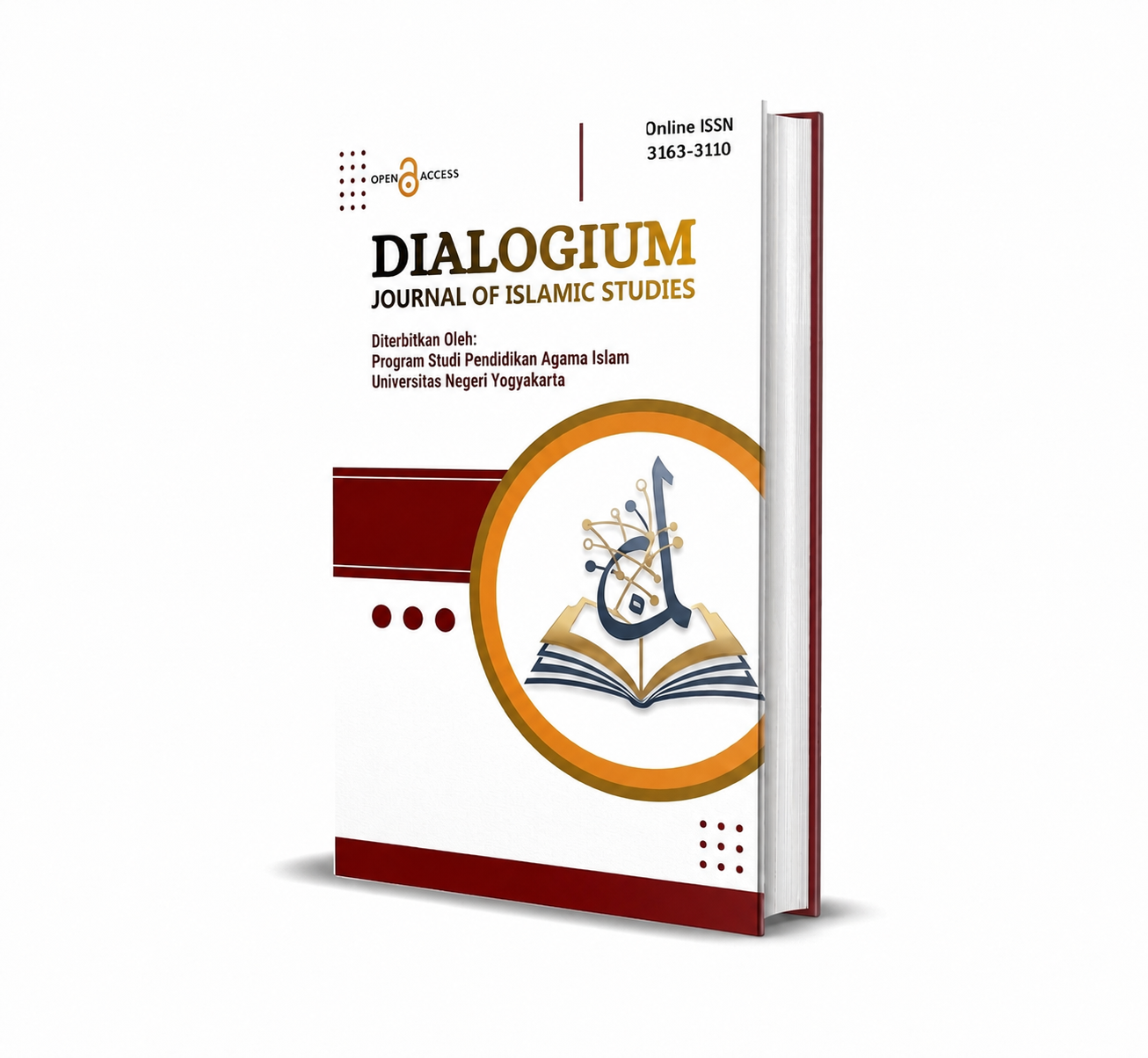
Dialogium: Journal of Islamic Studies is an international, peer-reviewed, open-access journal published twice a year by the Islamic Education Study Program, Faculty of Social and Political Sciences, Universitas Negeri Yogyakarta, Indonesia. Within the broad field of Islamic Studies, the journal specializes in Integrative Islamic Education Management: the holistic and progressive management of Islamic education that unifies spiritual, moral, and academic dimensions. True to its name, Dialogium fosters scholarly dialogue between Islamic values and contemporary management and organizational sciences, between tradition and modernity, and between local practices and global perspectives — in formal institutions (Islamic schools, madrasah, Islamic higher education) as well as non-formal settings (pesantren, Qur'anic education, and community-based learning).

The journal publishes conceptual and empirical articles (quantitative, qualitative, and mixed methods), systematic literature reviews, and bibliometric studies on topics including, but not limited to:

  1. Integration of Islamic values in educational management and governance
  2. Leadership in Islamic education, including prophetic, servant, transformational, and distributed leadership
  3. Human resource management and teacher professional development in Islamic educational institutions
  4. Curriculum management and the integration of religious and secular sciences
  5. Strategic planning, quality assurance, accreditation, and internationalization of Islamic education
  6. Digital transformation, educational technology, and artificial intelligence in the management of Islamic education
  7. Islamic education financing: waqf, zakat, philanthropy, and sustainable funding models
  8. Marketing, branding, and public relations of Islamic educational institutions
  9. Management of pesantren and non-formal Islamic education
  10. Comparative studies and policy analysis of Islamic education management across countries and regions
  11. Character education, religious moderation (wasaṭiyyah), and multicultural values in school management
  12. Inclusive education management and equity in Islamic educational institutions
  13. Crisis, change, and conflict management in Islamic education
  14. Education for sustainable development and the SDGs in Islamic educational settings

The journal serves researchers, lecturers, graduate students, school and madrasah leaders, and policymakers, and particularly welcomes comparative and cross-country contributions from Muslim communities worldwide.